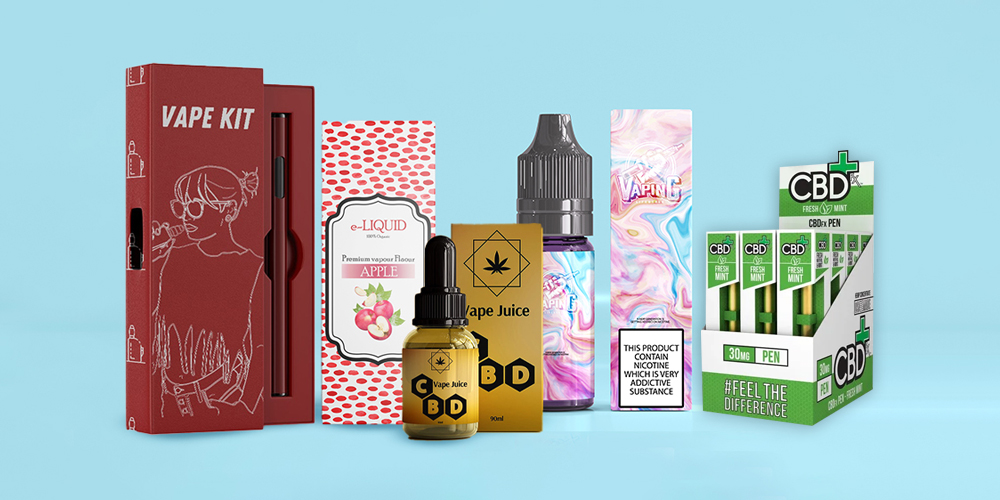
A packaging role in the hemp industry plays a crucial part in ensuring that hemp products are properly protected, presented, and comply with legal regulations. Here are the key aspects of a packaging role in hemp boxes:
- Product Protection: Packaging is essential to protect hemp products from external elements such as moisture, light, and physical damage. This includes choosing the right packaging materials like glass jars, plastic containers, or eco-friendly options like hemp paper boxes to maintain the product’s quality and shelf life.
- Compliance and Labeling: Hemp products are subject to various regulations, including labeling requirements. Packaging professionals must ensure that all necessary information, such as THC content, CBD concentration, ingredients, and usage instructions, are clearly and accurately printed on the boxes.
- Sustainability: As the hemp industry often aligns with eco-friendly values, packaging professionals are increasingly responsible for choosing sustainable packaging options. This may involve using recyclable or biodegradable materials and reducing excess packaging wherever possible.
- Brand Presentation: Packaging plays a significant role in branding and marketing. Packaging professionals work closely with the marketing and design teams to create visually appealing, on-brand packaging that attracts customers and distinguishes the product from competitors.
- Quality Control: Ensuring the quality of packaging materials and production processes is essential. This includes conducting quality checks to identify and rectify any defects in the packaging, such as damaged boxes or misprinted labels.
- Cost Efficiency: Packaging professionals must also consider cost-effectiveness. They need to balance the desire for high-quality, sustainable packaging with the need to keep production costs in check.
- Supply Chain Management: Coordinating the supply chain for packaging materials is crucial. This includes sourcing packaging materials, managing inventory, and ensuring a consistent supply to meet production needs.
- Regulatory Compliance: Staying updated with local, state, and federal regulations regarding hemp packaging is vital. This includes understanding labeling requirements, child-resistant packaging rules, and any changes in packaging-related laws.
- Consumer Safety: Hemp products, especially those intended for consumption, must be packaged in a way that ensures consumer safety. This might involve child-resistant packaging for certain products or tamper-evident seals.
- Waste Management: Hemp packaging professionals may also be involved in developing recycling or disposal programs for their packaging materials to align with sustainability goals.
In summary, the packaging role in the hemp industry encompasses various responsibilities, including protecting the product, ensuring compliance with regulations, sustainability efforts, branding, quality control, cost management, supply chain coordination, and more. It is a crucial element in the success of hemp products in the market.
 viral info